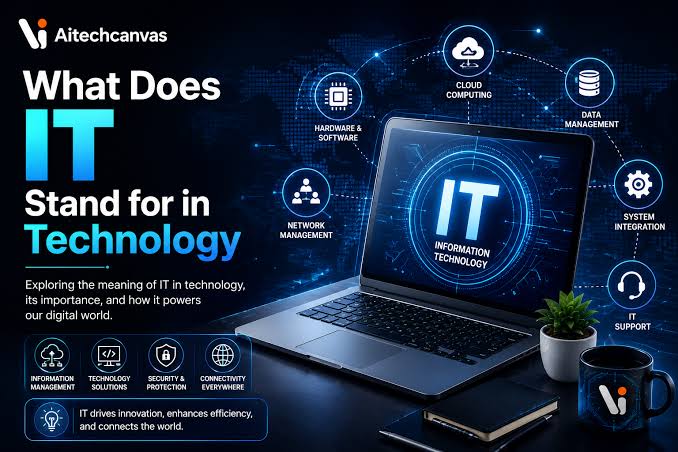

IT Meaning stands for Information Technology. In simple words, IT means using technology to handle information. Computers are a key part of this field. Software and networks are important too.
Today, people use IT in many places. For example, phones use digital systems. Schools use online tools. Businesses also depend on computers.
As technology grows, IT becomes more useful. Therefore, basic knowledge can help people understand the digital world.
What Does IT Stand For?
IT stands for Information Technology. The term is common in the tech industry.
In simple terms, it helps people manage information. Users can create, save, find, and share data.
For example, email uses IT. Online banking uses it too. Mobile apps also depend on IT systems.
In addition, websites and online services use IT every day. So, the field covers many digital tools and services.
What Is Information Technology?
Information Technology uses digital tools to handle data. These tools help people complete daily tasks.
For example, a computer can process information. Software can manage files. Networks can move data between devices.
Furthermore, cloud tools can store files online. As a result, users can access information from many places.
The field covers many areas. Therefore, it is not limited to computers alone.
Why Is IT Important?
IT helps people save time. It can also make work easier.
For example, workers can share files online. Teams can use video calls. Customers can contact businesses through websites.
Schools use IT for learning. Likewise, hospitals use it for digital records.
Banks also use digital systems. Therefore, technology supports many important services.
IT Hardware
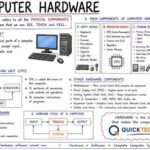
Hardware means the physical parts of a technology system. Users can see and touch these parts.
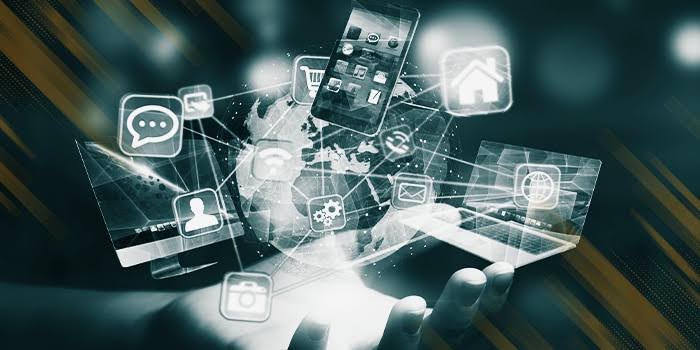
A laptop is hardware. A desktop computer is another example.
Common hardware includes:
- Keyboard
- Mouse
- Monitor
- Printer
- Server
- Router
- Storage drive
Each part has a job. Together, these devices help a system work.
In addition, hardware can vary based on user needs. For example, a gamer may need a powerful graphics card. On the other hand, an office worker may only need a basic computer.
IT Software
Software is the digital part of IT. It gives instructions to a device.
A web browser is software. A mobile app is another example.
Businesses use software for many tasks. For instance, they can manage sales and customer data.
Some programs help with accounts. Other tools help teams plan work.
Moreover, software can reduce manual work. As a result, employees may complete tasks more quickly.
IT Networks
A network connects two or more devices. It allows them to share information.
For example, a home network can connect phones and laptops. A business network can connect many computers.
Routers help move data between networks. Similarly, switches connect devices within a network.
The internet is a large network. Because of it, people can communicate around the world.
In addition, networks allow users to share files and services. Therefore, they are an important part of IT.
IT and the Internet
The internet has changed how people use technology. Information is now easier to access.
For example, users can send emails quickly. They can also visit websites and watch videos.
Businesses use the internet to reach customers. Many companies also sell products online.
Furthermore, people can use online services from many locations. As online services grow, IT becomes more important.
IT and Cloud Computing
Cloud computing lets people use services online. It can also store files on remote servers.
For example, a worker can save a document online. Later, the same file can be opened on another device.
Cloud tools help remote teams. In addition, they make file sharing easier.
However, cloud accounts need protection. Therefore, users should use strong passwords and safe login methods.
IT and Cybersecurity
Cybersecurity helps protect digital systems. It also helps keep data safe.
Hackers may try to steal information. Some attacks can damage computer systems.
Companies use security tools to lower these risks. At the same time, workers should follow safe habits.
For example, users should avoid strange links. They should also use strong passwords.
Moreover, regular updates can improve security. Therefore, cybersecurity is a key part of IT.
IT and Data
Data is an important part of IT. Companies collect data from many sources.
For example, a store may record sales. A website may track visitors.
Businesses can study this data. They can then make better choices.
However, personal data needs protection. For this reason, safe data use should always be a priority.
In addition, companies should limit access to private information. As a result, data can be handled more safely.
IT and Databases
A database stores information in an organized way. Many businesses use databases.
For example, a store can save product details. It can also save customer records.
Workers can search the database when needed. This makes information easier to manage.
Moreover, databases can hold large amounts of data. As a result, businesses can keep important information in one place.
IT Support
IT support helps users solve technology problems. Support workers handle many common issues.
For example, a computer may stop working. Software can also cause problems.
Network issues can happen too. In that case, an IT worker can check the system and find the cause.
Good support helps workers get back to work quickly. Therefore, IT support is useful in many workplaces.
IT Professionals
IT professionals work with technology systems. Their jobs can be very different.
Some workers manage networks. Others create software.
Meanwhile, security experts protect digital systems. Cloud workers manage online services.
Because IT has many areas, there are many career options.
In addition, new technology creates new IT roles. Therefore, people can find different paths in this field.
Common IT Jobs
The IT industry offers many job choices. Each role has different tasks.
| IT Job | Main Work |
|---|---|
| IT Support Specialist | Fixes common tech problems |
| Software Developer | Creates software and apps |
| Network Administrator | Manages computer networks |
| IT Manager | Leads IT work and teams |
| Cybersecurity Specialist | Protects systems and data |
| Cloud Engineer | Manages cloud systems |
| Database Administrator | Manages stored data |
| Systems Administrator | Maintains computer systems |
For example, developers create programs. In contrast, network workers manage computer connections.
Likewise, security specialists focus on digital safety. Therefore, each role supports a different part of IT.
IT Skills
IT workers need basic technical skills. They should understand computers and digital systems.
Problem-solving is also useful. Workers often need to find the cause of an issue.
Good communication matters too. Technical problems should be explained in simple words.
In addition, teamwork helps with large projects. Therefore, successful IT workers need both technical and people skills.
How to Learn IT
People can learn IT in many ways. Some choose college courses.
Others take online classes. Free videos can also help beginners.
Practice is very useful. For example, students can build a simple website.
Another option is learning basic networking. With regular practice, skills can improve.
Furthermore, beginners can start with simple computer tasks. Later, they can move to more advanced topics.
IT Certifications
Certifications can show knowledge in a tech area. They may also help with job searches.
Some certifications focus on networks. Others cover cloud tools.
Security certifications are also available. However, the right choice depends on the career goal.
Therefore, learners should choose a course that fits their plans.
In addition, practical experience can make certification knowledge more useful.
IT in Education
Schools use IT for teaching and learning. Students can use computers for research.
Teachers can share lessons online. Digital books can also support students.
Moreover, online classes give learners more choices. They can study from home.
However, technology should support teachers. Good teaching remains important.
As a result, schools can use IT to make learning more flexible.
IT in Healthcare
Hospitals use IT every day. Computers help staff manage records.
Doctors can view digital information when needed. Medical teams can also share data.
Technology can save time. It can also help staff manage daily work.
However, patient data needs strong protection. Therefore, healthcare systems need good security.
In addition, staff should use secure systems when handling private information.
IT in Banking
Banks depend on IT systems. Customers can manage accounts online.
For example, mobile apps let users check balances. They can also send money and pay bills.
Banks use security tools to protect financial data. Therefore, safe systems are very important.
As online banking grows, security becomes even more important. In addition, banks continue to improve their digital services.
IT in Retail
Retail stores use IT to manage sales. Software can also track products.
Online stores depend on digital systems. Customers can search for products and place orders.
Digital payments make shopping easier. At the same time, security protects customer data.
Therefore, IT is important for modern retail.
Moreover, online stores can use data to understand customer needs. This can help businesses improve their services.
IT and Communication
Technology has changed communication. People can send messages very quickly.
Email is common at work. Video calls help teams stay connected.
Chat apps allow quick conversations. Social media also helps people communicate.
Because of these tools, people can stay connected more easily.
Furthermore, online communication can reduce travel. As a result, teams can work together from different locations.
IT and Artificial Intelligence
Artificial intelligence is a growing tech field. AI can help computers perform tasks.
For example, AI can answer simple questions. It can also help analyze data.
Businesses may use AI for customer service. Some companies use it to save time.
However, AI can make mistakes. Therefore, important results should be checked.
In addition, people should understand how AI tools work before using them for important tasks.
IT and Automation
Automation lets software handle repeated work. This can save time.
For example, a company can automate emails. It can also create simple reports.
Workers can then focus on other tasks. However, some work still needs people.
Human judgment remains useful for complex tasks. Therefore, automation should support workers rather than replace every task.
IT and Remote Work
Remote work depends on IT tools. Workers need computers and internet access.
Video calls help teams communicate. Cloud tools help employees share files.
Project tools can also track tasks. These systems make remote work easier.
However, security remains important. Companies should protect remote devices.
In addition, workers should use secure passwords and trusted networks. As a result, remote work can be safer.
IT and Mobile Technology
Smartphones are an important part of IT. Modern phones can perform many tasks.
Users can check email and browse websites. They can also use banking and shopping apps.
Tablets offer many similar features. As mobile technology grows, more services move to phones.
Furthermore, mobile apps can help users complete tasks while traveling. Therefore, mobile technology has become very useful.
IT and Smart Devices
Smart devices can connect to the internet. smart watches are one example.
smart cameras are another. Home devices can also control lights.
These tools can make life easier. However, some devices may collect user data.
For this reason, users should check privacy settings. In addition, they should update smart devices when new updates are available.
IT and Digital Change
Digital change means using technology to improve work. Many companies now update old systems.
For example, a business may replace paper files. It may also move data to the cloud.
These changes can save time. They can also make information easier to find.
However, workers may need training. Therefore, a clear plan can make the change easier.
Moreover, companies should give workers enough time to learn new tools.
Benefits of IT
IT offers many benefits. First, it can save time.
Digital tools can improve communication. They can also make information easier to share.
Businesses can use technology to improve services. Students can use it to find learning materials.
In addition, digital systems can reduce manual work.
As a result, IT can make daily tasks easier. Furthermore, it can help businesses work more efficiently.
Challenges of IT
Technology also has some risks. Security is one major concern.
Privacy is another issue. Companies often store personal information.
IT systems can also cost money. New tools may need training and support.
Therefore, businesses should plan before buying new technology.
However, careful planning can reduce many problems. In addition, regular maintenance can help systems work better.
IT in Daily Life
People use IT every day. Smartphones are one example.
Online shopping is another. Digital payments also depend on technology.
Map apps use digital systems too. Messaging apps also use IT.
Because of this, technology is now part of normal life.
Moreover, many services are becoming digital. As a result, basic IT skills are more useful than ever.
The Future of IT
IT will continue to grow. New tools will appear in many areas.
AI will likely become more common. Cloud services will also keep growing.
Automation may change some jobs. Meanwhile, cybersecurity will remain important.
Therefore, IT workers will need to keep learning.
In addition, new technology may create new career paths. For this reason, learning new skills can be valuable.
Why IT Skills Matter
Basic IT skills are useful for many jobs. Most workplaces use computers and digital tools.
Knowing basic technology can save time. It can also help solve simple problems.
Students can learn these skills early. Later, they may help with career choices.
For this reason, IT knowledge is useful for the future.
Moreover, digital skills can help people feel more confident at work. As technology changes, these skills can become even more valuable.
Simple IT Examples
Many daily services use technology. Online banking is one example.
Email is another. Food delivery apps also depend on digital systems.
Online stores use technology too. Traffic apps are another common example.
In addition, streaming services use large IT systems. Because of this, people interact with IT in many ways each day.
Final Thoughts
Information Technology is now part of everyday life. It helps people work, learn, communicate, and share information.
Businesses rely on digital tools every day. Schools, banks, hospitals, and stores use technology as well.
Moreover, new tools continue to appear. AI, cloud services, and mobile systems are changing how people work.
However, safe use is still important. Strong passwords can help protect personal data.
Learning basic technology skills is a useful step. Start with simple topics and build knowledge over time.
Finally, regular practice can make technology easier to understand. With the right skills, people can use modern tools with more confidence.