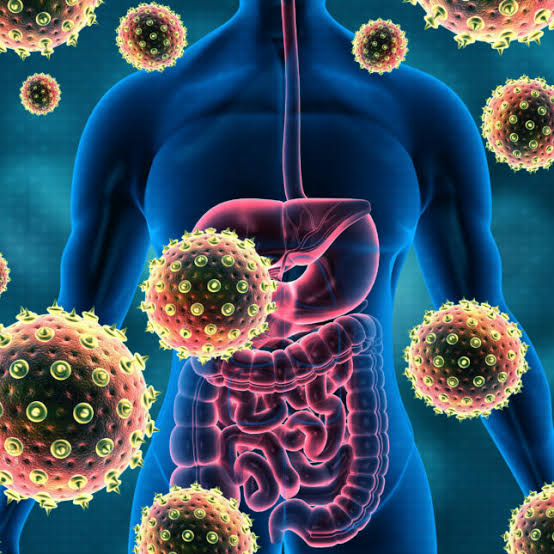

Disease is a health condition that affects the normal function of the body or mind. Some diseases are short term. Others can last for a long time.
Many factors can cause disease. These factors may include infections, genes, lifestyle, age, or the environment.
Understanding disease can help people make better health choices. It can also help them recognize when medical advice may be needed.
What Is a Disease?
A disease is a condition that affects normal body function. It may affect one part of the body or several parts.
Some diseases develop quickly. Others develop slowly over many years.
For example, an infection may cause illness for a short time. A chronic condition may continue for a much longer period.
Therefore, diseases can be very different from one another.
Common Types of Disease
Diseases can be grouped in several ways. One common method is based on their cause.
Major groups include:
- Infectious diseases
- Chronic diseases
- Genetic diseases
- Autoimmune diseases
- Mental health conditions
- Nutritional diseases
- Environmental diseases
Each group has different causes and effects. As a result, treatment can also vary.
Infectious Disease

Infectious diseases are caused by harmful organisms. These can include viruses, bacteria, fungi, and parasites.
Some infections can spread from one person to another. Others can spread through food, water, insects, or animals.
For example, certain respiratory infections can spread through the air. Other infections may spread through contaminated food or water.
Therefore, good hygiene can help reduce the risk of some infections.
Chronic Disease
Chronic diseases can last for a long time. Some may require ongoing care.
Examples include heart disease, diabetes, and some forms of cancer.
Lifestyle factors can affect the risk of certain chronic diseases. Age and genetics can also play a role.
However, risk factors do not always mean that a person will develop a disease.
Genetic Disease
Genetic diseases are linked to changes in genes or chromosomes. Some are inherited from parents.
Others can result from genetic changes that happen during a person’s life.
Genetic conditions can affect different parts of the body. Their effects can also vary between people.
Therefore, genetic testing and medical evaluation may help in some cases.
Autoimmune Disease
An autoimmune disease occurs when the immune system attacks the body’s own tissues.
There are many types of autoimmune disease. Each one can affect the body in a different way.
Some may affect joints. Others may affect the skin, digestive system, or other organs.
Because these conditions can be complex, medical evaluation is often important.
Mental Health Conditions
Mental health conditions can affect thoughts, emotions, behavior, or daily activities.
Examples include anxiety disorders and depression. Other conditions can affect mood or behavior in different ways.
Mental health is an important part of overall health. Therefore, emotional symptoms should also be taken seriously.
Support can come from healthcare professionals, trusted people, and appropriate treatment.
Nutritional Diseases
Nutrition plays an important role in health. A lack of certain nutrients can affect normal body functions.
For example, iron deficiency can lead to anemia. Other nutrient deficiencies can cause different health problems.
A balanced diet can help provide essential nutrients.
However, nutritional needs can vary. Medical advice may be useful when a deficiency is suspected.
Environmental Disease Risks
The environment can affect health. Air pollution is one example.
Exposure to harmful chemicals can also create health risks. Poor water quality may cause certain illnesses.
In addition, extreme environmental conditions can affect vulnerable people.
Therefore, reducing harmful exposure can support better health.
Common Causes of Disease
There is no single cause for every disease. Different conditions have different causes.
Some diseases come from infections. Others are linked to genes or immune system problems.
Lifestyle can also affect health. Smoking, poor diet, and physical inactivity may increase the risk of some conditions.
Age and family history can matter too. Therefore, disease risk often depends on several factors.
Disease Symptoms
Symptoms are signs that something may be wrong. They can vary greatly between diseases.
Common symptoms may include:
- Fever
- Pain
- Tiredness
- Cough
- Swelling
- Skin changes
- Changes in appetite
- Breathing problems
However, these symptoms can have many possible causes. A symptom alone does not always identify a specific disease.
How Diseases Are Diagnosed
Doctors use different methods to identify health conditions. The process often starts with questions about symptoms and medical history.
A physical examination may follow. Doctors may also order blood tests, imaging, or other tests.
The right test depends on the suspected condition.
Therefore, diagnosis should be based on proper medical evaluation rather than symptoms alone.
Disease Treatment
Treatment depends on the disease and its cause. Some conditions may improve without specific treatment.
In other cases, medicines may be needed. Surgery or other medical procedures may also be appropriate.
Lifestyle changes can help manage some long-term conditions. These changes may include better nutrition or more physical activity.
However, treatment should be based on professional medical advice.
Disease Prevention
Some diseases can be prevented or their risk can be reduced. Healthy habits can support overall health.
For example, regular physical activity can benefit the body. A balanced diet can also support normal health.
Vaccination can help prevent certain infectious diseases. Good hygiene can reduce the spread of some infections.
In addition, avoiding tobacco can reduce several health risks.
Importance of Early Detection
Finding a disease early can sometimes improve treatment options. Regular health checks may help identify certain problems.
Some diseases may have few symptoms in their early stages. Therefore, screening can be useful for certain groups.
However, screening needs depend on age, risk, and personal factors.
For this reason, people should discuss appropriate screening with a healthcare professional.
Disease and Lifestyle
Lifestyle can influence health in many ways. Eating habits, activity, sleep, and tobacco use can all matter.
Regular movement can support heart and overall health. Good sleep can also help the body function well.
Meanwhile, smoking can increase the risk of several diseases.
Therefore, healthy daily habits can be an important part of disease prevention.
Disease and Age
The risk of some diseases changes with age. Older adults may have a higher risk of certain chronic conditions.
However, younger people can also develop serious illnesses. Age alone does not determine health.
Family history and lifestyle can also influence risk.
As a result, people of different ages may need different health advice.
Disease and Family History
Family history can provide useful health information. Some conditions have a genetic component.
Knowing your family history can help healthcare professionals understand certain risks.
For example, a family history of a particular condition may affect screening decisions.
Therefore, sharing relevant family health information with a doctor can be helpful.
Disease and Immunity
The immune system protects the body from many harmful organisms. It includes cells, tissues, and organs that work together.
When the immune system detects a threat, it can produce a response.
Vaccines can also train the immune system to recognize certain threats.
However, immune responses differ between people. Health conditions and other factors can affect immunity.
Disease and Public Health
Some diseases affect individuals. Others can affect whole communities.
Infectious diseases can spread between people. Public health programs can help reduce their impact.
These programs may include vaccination, disease testing, health education, and sanitation.
Therefore, public health plays an important role in disease prevention.
Disease Awareness
Health awareness can help people understand risks. It can also encourage people to seek appropriate care.
Reliable information is especially important. Online health claims are not always accurate.
For example, a social media post may not provide enough evidence. Medical websites and healthcare professionals can offer more reliable guidance.
As a result, people should check health information carefully.
When to Seek Medical Help
Some symptoms need medical attention. Severe pain, serious breathing problems, confusion, or sudden changes can require urgent care.
Other symptoms may not be emergencies. Still, persistent or worsening symptoms should not be ignored.
If you are concerned about your health, contact a qualified healthcare professional.
Therefore, it is better to seek appropriate advice than rely on an online diagnosis.
Disease and Technology
Technology has changed healthcare. Doctors can now use digital records and advanced testing tools.
Medical imaging can help identify problems inside the body. Laboratory systems can also provide useful information.
In addition, digital health tools can help patients track certain health information.
However, technology does not replace professional medical judgment.
Disease Research
Researchers study diseases to understand their causes and effects. They also look for better ways to prevent and treat them.
Clinical trials can test new medicines and treatments. Laboratory research can help scientists understand disease processes.
Over time, research can improve medical knowledge.
Therefore, disease research remains an important part of healthcare progress.
Simple Disease Overview
| Disease Type | Common Cause or Link | Example |
|---|---|---|
| Infectious | Viruses or bacteria | Flu |
| Chronic | Multiple risk factors | Diabetes |
| Genetic | Gene changes | Cystic fibrosis |
| Autoimmune | Immune system activity | Rheumatoid arthritis |
| Nutritional | Nutrient deficiency | Iron-deficiency anemia |
| Environmental | Harmful exposure | Some lung conditions |
This table provides a simple overview. However, real diseases can have complex causes.
How to Stay Healthy
Healthy habits can support the body. A balanced diet is one useful step.
Regular physical activity can also help. Good sleep is important as well.
Avoiding tobacco can reduce health risks. Safe hygiene practices can also help prevent some infections.
Furthermore, regular medical care can help people manage health concerns.
Frequently Asked Questions
What is a disease?
A disease is a health condition that affects normal body or mind function.
What are the main types of disease?
Common groups include infectious, chronic, genetic, autoimmune, nutritional, and environmental diseases.
What causes disease?
Causes vary. They can include infections, genetics, lifestyle factors, immune system problems, and environmental exposure.
Can disease be prevented?
Some diseases can be prevented or their risk can be reduced. Vaccination, healthy habits, hygiene, and avoiding harmful exposures can help.
How is disease diagnosed?
Doctors may use medical history, physical exams, laboratory tests, imaging, and other methods.
Why is early detection important?
Early detection can sometimes allow treatment to begin sooner. Screening can help find certain conditions before symptoms appear.
Should I diagnose myself online?
No. Online information can help explain general health topics, but it cannot replace a professional diagnosis.
Final Thoughts
Disease can affect many parts of the body and mind. Different conditions have different causes, symptoms, and treatments.
Understanding basic health information can help people make informed choices. However, symptoms alone cannot always identify a condition.
Moreover, prevention can play an important role. Healthy habits, appropriate medical care, and reliable health information can support better health.
Finally, people with ongoing or serious symptoms should seek advice from a qualified healthcare professional. Early attention can be important when a health problem needs proper evaluation.