
Ramon Laguarta: Everything You Need to Know About His Life and Career
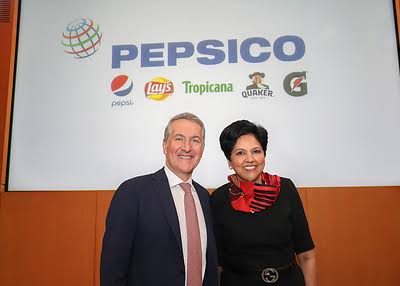
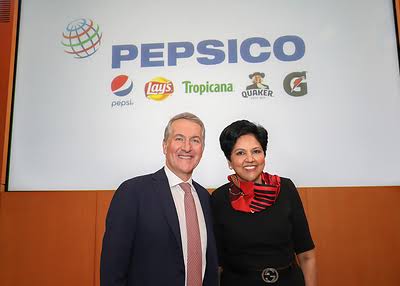
Ramon Laguarta is a Spanish business executive who serves as Chairman and Chief Executive Officer of PepsiCo, one of the world’s largest food and beverage companies. Since becoming CEO in 2018 and Chairman in 2019, he has helped guide the company’s business strategy, international operations, product portfolio, and sustainability initiatives.
His professional journey includes decades of experience in the food and beverage industry, with leadership responsibilities across different regions and business divisions. From his early work in Spain to managing major international operations, Ramon Laguarta developed the experience needed to lead a multinational company with a broad portfolio of well-known consumer brands.
This article explores Ramon Laguarta’s biography, education, career development, leadership at PepsiCo, family background, achievements, and the business strategies associated with his executive role.
Who Is Ramon Laguarta?
Ramon Laguarta is the Chairman of the Board and CEO of PepsiCo. He is known for his international business experience and his leadership of a company that sells snacks and beverages across markets around the world.
PepsiCo’s portfolio includes brands such as Pepsi, Lay’s, Doritos, Cheetos, Gatorade, Mountain Dew, Quaker, and SodaStream. Managing such a broad collection of products requires coordination across manufacturing, marketing, distribution, product development, and regional business operations.
Laguarta joined PepsiCo in 1996 and advanced through several leadership roles before becoming company president and then CEO. His appointment as CEO followed the leadership of Indra Nooyi, who had led the company for 12 years.
He became Chairman in February 2019, adding board leadership responsibilities to his executive role. <Cite refs={[“turn830395search0″,”turn830395search4”]}/>
Ramon Laguarta’s Early Life and Background
Ramon Laguarta was born and raised in Barcelona, Spain. His background in Europe and subsequent international business experience helped shape his approach to working across different markets.
Food and beverage companies must adapt to differences in consumer preferences, retail systems, regulations, distribution networks, and economic conditions. Executives with international experience may gain a broader understanding of these challenges.
Before joining PepsiCo, Laguarta worked for Chupa Chups, a Spanish confectionery company. His responsibilities included international business activities across regions such as Asia, Europe, the Middle East, and the United States.
This early experience gave him exposure to consumer products and international market development before he began his long career at PepsiCo. <Cite refs={[“turn830395search0″,”turn830395search2”]}/>
Ramon Laguarta’s Education
Ramon Laguarta’s academic background includes business and international management studies.
He earned a Master of Business Administration from ESADE Business School in Spain. He also completed a master’s degree in international management at Thunderbird School of Global Management in Arizona.
These qualifications are relevant to the responsibilities he later held in corporate strategy, regional management, and international business operations.
Business education can provide frameworks for evaluating markets, managing financial resources, understanding organizational behavior, and developing long-term strategies. However, executive leadership also depends on practical experience, decision-making, and the ability to manage complex teams.
Laguarta’s career combined formal business education with decades of work in the food and beverage sector. <Cite refs={[“turn830395search0″,”turn830395search6”]}/>
Ramon Laguarta’s Career Before PepsiCo
Before joining PepsiCo, Laguarta worked at Chupa Chups, a company known for its confectionery products. His work involved international assignments and business development.
Managing products across different countries requires an understanding of local markets, customer behavior, pricing, distribution, and brand positioning. These skills are useful for consumer goods businesses seeking to expand internationally.
His experience at Chupa Chups preceded his move to PepsiCo in 1996. After joining PepsiCo, he continued developing his career through increasingly senior roles in commercial operations and regional leadership.
This progression helped him build experience in different business environments before taking responsibility for larger parts of the company.
Ramon Laguarta’s Journey at PepsiCo
Ramon Laguarta joined PepsiCo in 1996 and spent many years in positions involving regional operations and business development.
He held leadership roles across Europe, including responsibilities connected with Greece, Eastern Europe, and developing markets. He also worked on the integration of PepsiCo’s dairy business in Russia.
Between 2015 and 2017, he served as CEO of PepsiCo’s Europe and Sub-Saharan Africa sector, overseeing food and beverage operations across a complex international region.
In 2017, he became President of PepsiCo. In that position, he helped shape company strategy and oversaw important business functions before succeeding Indra Nooyi as CEO in October 2018.
His appointment as Chairman followed in February 2019. The progression from regional leadership to the presidency and then the CEO role reflected his extensive experience within the company. <Cite refs={[“turn830395search0″,”turn830395search4”]}/>
Ramon Laguarta as PepsiCo CEO
As CEO, Ramon Laguarta is responsible for the overall direction and performance of PepsiCo. His role involves balancing business growth, profitability, consumer preferences, innovation, operational efficiency, and long-term investments.
PepsiCo operates in a competitive market where companies must respond to changing tastes, price sensitivity, health concerns, and evolving shopping habits.
Laguarta’s strategy has emphasized several areas, including international expansion, portfolio transformation, and finding new occasions for consumers to purchase the company’s products.
These priorities affect how PepsiCo develops products, markets its brands, organizes supply chains, and allocates resources across regions.
The CEO’s role also requires working with the board of directors, investors, employees, business partners, and other stakeholders.
Ramon Laguarta’s Business Strategy
Laguarta’s leadership approach at PepsiCo has included several major strategic themes.
Product Portfolio Transformation
Consumer preferences change over time. Some customers seek smaller portions, less sugar, reduced sodium, or products containing ingredients such as protein and whole grains.
PepsiCo has pursued changes to parts of its food and beverage portfolio to respond to these expectations. Product development and reformulation require balancing consumer demand, taste, cost, availability, and manufacturing requirements.
International Expansion
International markets remain an important part of PepsiCo’s business. Expanding in different regions requires adapting products and distribution strategies to local preferences and economic conditions.
Laguarta’s experience working across several regions is relevant to this part of the company’s strategy.
New Consumption Occasions
Companies can seek growth by making their products available in more settings, including meals, convenience stores, restaurants, workplaces, and other occasions.
For PepsiCo, this involves understanding when and how consumers choose snacks and beverages, then developing distribution and marketing approaches that meet those needs.
Operational Efficiency
Large consumer goods businesses depend on manufacturing, logistics, technology, and distribution systems. Improving these operations can help companies respond to demand and manage costs.
PepsiCo has also invested in modernizing its supply chain and expanding digital capabilities as part of its broader transformation agenda. <Cite refs={[“turn830395search0″,”turn830395search2”]}/>
Ramon Laguarta and PepsiCo’s Sustainability Goals
Sustainability is another area of PepsiCo’s corporate strategy. The company’s pep+ framework connects business transformation with agriculture, climate, packaging, water, and people-related initiatives.
For a global food and beverage business, sustainability challenges can include agricultural supply chains, packaging waste, water use, and emissions associated with manufacturing and distribution.
These issues require coordination across suppliers, production facilities, product design, and retail distribution.
PepsiCo has announced initiatives intended to address some of these challenges. As with any corporate sustainability program, actual outcomes should be assessed using published performance data rather than statements of ambition alone.
Laguarta’s role includes overseeing the company’s broader strategic direction, including the way sustainability priorities are incorporated into its business model. <Cite refs={[“turn830395search0″,”turn830395search2”]}/>
Ramon Laguarta’s Board Memberships
In addition to his role at PepsiCo, Laguarta serves on other corporate and business leadership bodies.
IBM announced in January 2026 that Laguarta had been elected to its board of directors, effective March 1, 2026. This appointment added technology-sector governance responsibilities to his experience in consumer goods.
He also serves on the board of the Business Roundtable, an association representing chief executive officers of major American companies.
Board membership involves responsibilities such as oversight, governance, risk management, and contributing to strategic discussions. These roles can also provide opportunities for executives to bring experience from one industry to another. <Cite refs={[“turn830395search6″,”turn830395search2”]}/>
Ramon Laguarta’s Leadership Style
Laguarta’s public leadership priorities emphasize consumer focus, execution, accountability, and adapting to changing business conditions.
Leading a multinational company requires aligning teams across regions while allowing local businesses to respond to different markets.
Effective executive leadership can involve setting clear goals, developing talent, improving processes, and ensuring that strategy translates into measurable actions.
PepsiCo’s leadership principles also emphasize integrity, inclusion, and raising performance expectations. These principles form part of the company’s stated approach to organizational culture.
As with any large organization, the effectiveness of leadership strategies is best assessed through business results, employee outcomes, customer response, and longer-term performance rather than statements alone.
Ramon Laguarta’s Family and Personal Life
Ramon Laguarta keeps much of his personal life away from public attention. PepsiCo’s official biography states that he and his wife, Maria, have three sons.
Public information about his family is limited compared with the extensive information available about his professional career. For that reason, a responsible biography should avoid speculation about his children’s personal lives or other private family matters.
His public profile primarily centers on business leadership, corporate strategy, international operations, and PepsiCo’s future direction.
Ramon Laguarta’s Net Worth and Salary
Ramon Laguarta’s compensation as a senior public-company executive is discussed in PepsiCo’s regulatory filings. These filings provide information about salary, incentives, stock awards, and other components of executive compensation.
However, annual compensation is not the same as personal net worth. Net worth depends on assets, liabilities, investments, taxes, and other financial circumstances that may not be fully public.
Readers should therefore distinguish between verified compensation figures in company filings and estimates published by celebrity or wealth websites.
For the most accurate current information, consult PepsiCo’s latest proxy statement and annual regulatory disclosures rather than relying on unsupported online net-worth claims.
Ramon Laguarta’s Influence on the Food and Beverage Industry
PepsiCo operates in a global industry shaped by consumer preferences, public health discussions, retail changes, supply-chain pressures, and competition from both established and emerging brands.
As Chairman and CEO, Laguarta helps determine how the company responds to these changes. His responsibilities include guiding investment priorities, supporting product development, overseeing operations, and working with the board on long-term strategy.
His career also reflects the importance of international experience in consumer goods. PepsiCo’s products reach customers in many markets, so business decisions must account for different tastes, price levels, distribution systems, and regulations.
Laguarta’s influence is therefore connected not only to individual brands but also to the systems and strategies used to manage a multinational food and beverage business.
Frequently Asked Questions About Ramon Laguarta
Who is Ramon Laguarta?
Ramon Laguarta is the Chairman and CEO of PepsiCo, a global food and beverage company.
When did Ramon Laguarta become PepsiCo CEO?
He became CEO in October 2018 and assumed the role of Chairman in February 2019.
Where was Ramon Laguarta born?
He was born and raised in Barcelona, Spain.
What did Ramon Laguarta study?
He earned an MBA from ESADE Business School and a master’s degree in international management from Thunderbird School of Global Management.
When did Ramon Laguarta join PepsiCo?
He joined PepsiCo in 1996 after working for Chupa Chups, a Spanish confectionery company.
Who is Ramon Laguarta’s wife?
PepsiCo’s official biography identifies his wife as Maria. The couple have three sons.
Is Ramon Laguarta on IBM’s board?
Yes. IBM announced his election to the board in January 2026, effective March 1, 2026.
What is Ramon Laguarta’s net worth?
His precise personal net worth is not established by a single authoritative public disclosure. PepsiCo’s regulatory filings are a more reliable source for verified executive compensation than third-party net-worth estimates.
Conclusion
Ramon Laguarta has built an international business career spanning several decades, including senior positions across Europe and other markets before becoming PepsiCo’s CEO in 2018 and Chairman in 2019.
His leadership at PepsiCo involves managing a broad portfolio of food and beverage brands, responding to consumer preferences, expanding internationally, improving operational efficiency, and overseeing long-term business strategy.
His education, international experience, and progression through different company roles illustrate one path to senior executive leadership. For readers interested in business biographies, Ramon Laguarta’s career provides a useful example of how commercial experience and regional management can lead to leadership of a global company.