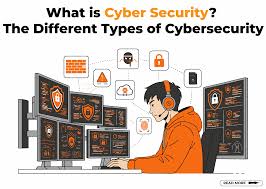

Technology has completely transformed the modern world. Today, people use smartphones, computers, cloud services, and online platforms for communication, education, shopping, banking, entertainment, and business operations. While the internet provides endless opportunities and convenience, it also creates serious security risks. Cyber criminals are constantly developing new methods to attack digital systems, steal sensitive information, and damage networks. This growing danger has made cyber security one of the most critical fields in the modern digital era.
Cyber security is the process of protecting devices, networks, applications, and data from cyber attacks. It includes various technologies, strategies, and security practices that help individuals and organizations defend themselves against digital threats. In 2026, cyber security is not just an IT concern; it is a global necessity for governments, businesses, and ordinary internet users.
What is Cyber Security?

Cyber security refers to the protection of internet-connected systems such as hardware, software, and digital data from unauthorized access, attacks, and damage. The primary goal of cyber security is to ensure confidentiality, integrity, and availability of information.
In simple words, cyber security helps protect online systems from hackers, malware, viruses, phishing scams, ransomware attacks, and data breaches.
Cyber security includes multiple layers of protection across devices, networks, and programs. It also involves educating users about safe online practices because human error is one of the leading causes of cyber attacks.
Why Cyber Security is Important
The importance of cyber security continues to increase because almost every aspect of life now depends on digital technology. Businesses store customer records online, banks process digital transactions, schools use online learning systems, and governments manage national infrastructure through networks.
Without strong cyber security, sensitive information can be stolen, systems can be destroyed, and organizations may suffer massive financial losses.
1. Protection of Personal Data
People share a huge amount of personal information online, including names, addresses, passwords, photos, and banking details. Cyber security helps prevent hackers from stealing this information.
2. Financial Security
Cyber attacks can lead to serious financial damage. Hackers often target online banking systems, payment gateways, and e-commerce websites to steal money.
3. Business Continuity
Modern businesses depend heavily on digital operations. Cyber security protects business systems from attacks that could stop operations or destroy important data.
4. Privacy Protection
Strong cyber security systems help maintain user privacy and prevent unauthorized surveillance or data misuse.
5. National Security
Governments use cyber security to protect military systems, communication networks, power grids, and critical infrastructure from cyber warfare.
Types of Cyber Security
Cyber security is a broad field that includes different types of protection systems.
Network Security
Network security protects computer networks from intruders, malware, and unauthorized access.
Application Security
Application security focuses on securing software and mobile applications from vulnerabilities and attacks.
Information Security
Information security protects sensitive digital information from theft, corruption, or unauthorized access.
Cloud Security
Cloud security protects cloud-based services, applications, and storage systems.
Mobile Security
Mobile security safeguards smartphones, tablets, and mobile apps from cyber threats.
Internet of Things (IoT) Security
IoT security protects smart devices connected to the internet, such as smart home systems and wearable technology.
Common Cyber Threats
Cyber criminals use different techniques to attack systems and steal data. Understanding these threats is important for online safety.
Malware
Malware is malicious software designed to harm devices or steal information. Examples include viruses, worms, spyware, and trojans.
Phishing Attacks
Phishing attacks trick users into sharing sensitive information through fake emails, websites, or messages.
Ransomware
Ransomware encrypts a victim’s files and demands payment to restore access.
Denial-of-Service (DDoS) Attacks
DDoS attacks overload systems with traffic, causing websites or services to crash.
Password Attacks
Hackers attempt to crack passwords using automated tools or stolen credentials.
Social Engineering
Social engineering manipulates people into revealing confidential information.
Insider Threats
Employees or insiders with system access can intentionally or accidentally cause security breaches.
How Cyber Attacks Affect Businesses
Cyber attacks can have devastating effects on businesses of all sizes.
Financial Losses
Companies may lose millions of dollars due to stolen funds, legal penalties, and recovery costs.
Reputation Damage
Customers lose trust in businesses that fail to protect sensitive data.
Operational Disruption
Cyber attacks can interrupt services, shut down systems, and reduce productivity.
Legal Consequences
Organizations may face lawsuits or government penalties for failing to secure customer data.
Best Cyber Security Practices
Following strong cyber security practices can greatly reduce online risks.
Use Strong Passwords
Passwords should be long, unique, and difficult to guess.
Enable Two-Factor Authentication
Two-factor authentication adds an extra layer of protection.
Keep Software Updated

Regular updates fix security vulnerabilities and improve protection.
Avoid Suspicious Links
Users should avoid clicking unknown links or downloading suspicious attachments.
Install Antivirus Software
Reliable antivirus programs help detect and remove malware.
Backup Important Data
Regular backups help recover files after cyber attacks or hardware failures.
Use Secure Wi-Fi Networks
Public Wi-Fi networks can be dangerous if not properly secured.
Educate Employees and Users
Cyber security awareness training helps reduce human error.
Artificial Intelligence in Cyber Security
Artificial intelligence is becoming an important part of cyber security. AI systems can analyze large amounts of data, detect unusual activities, and respond to threats faster than humans.
AI-powered security tools can:
- Detect malware automatically
- Monitor suspicious activities
- Prevent fraud
- Improve threat detection
- Respond to attacks in real-time
However, cyber criminals are also using AI to create more advanced attacks, making cyber security even more challenging.
Cyber Security Careers in 2026
Cyber security is one of the fastest-growing career fields globally. Organizations need skilled professionals to defend their systems against cyber threats.
Popular Cyber Security Careers
Ethical Hacker
Ethical hackers test systems to find security weaknesses before criminals exploit them.
Security Analyst
Security analysts monitor systems and investigate cyber threats.
Network Security Engineer
These professionals design and manage secure network systems.
Cyber Security Consultant
Consultants help organizations improve their security strategies.
Digital Forensics Expert
Forensics experts investigate cyber crimes and recover digital evidence.
Skills Required for Cyber Security
- Networking knowledge
- Programming skills
- Problem-solving abilities
- Risk management
- Security tools expertise
- Analytical thinking
Cyber security professionals often earn high salaries because of strong global demand.
The Future of Cyber Security
The future of cyber security will become more complex as technology continues to evolve. Emerging technologies such as artificial intelligence, blockchain, quantum computing, and smart devices will create both opportunities and challenges.
Experts predict that cyber attacks will become more sophisticated, targeting cloud systems, IoT devices, and critical infrastructure. Governments and companies are expected to invest billions of dollars in advanced security systems.
Cyber security awareness among ordinary users will also become increasingly important
Benefits of Cyber Security
Cyber security provides many advantages for individuals and organizations.
- Protects sensitive information
- Prevents financial losses
- Improves customer trust
- Ensures business continuity
- Reduces cyber attack risks
- Enhances digital privacy
- Supports safe online communication
Conclusion
Cyber security has become an essential part of modern life. As digital technology grows rapidly, cyber threats continue to evolve and become more dangerous. Protecting personal information, business systems, and national infrastructure is now more important than ever.
Individuals and organizations must adopt strong cyber security practices to defend against online threats. Using secure passwords, updating software, enabling two-factor authentication, and staying informed about cyber risks can significantly improve online safety.
The future of cyber security will play a major role in shaping the digital world. By investing in security awareness and advanced protection systems, society can create a safer and more secure internet for everyone.