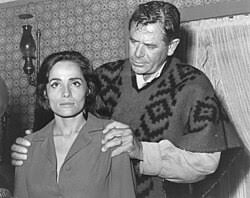

Glenn Ford was one of the most recognizable and versatile actors of Hollywood’s classic era. Known for his natural acting style, strong screen presence, and ability to perform in westerns, dramas, romantic films, comedies, and thrillers, Ford enjoyed a career that lasted for decades.
From his breakthrough performances in the 1940s to his status as one of Hollywood’s biggest box-office stars, Glenn Ford appeared in numerous memorable films and worked alongside some of the most famous actors and actresses of his generation.
This article explores Glenn Ford’s early life, acting career, famous movies, personal life, military service, achievements, and lasting legacy.
Who Was Glenn Ford?

Glenn Ford was a Canadian-American actor best known for his long and successful career in Hollywood. His professional career spanned more than five decades, during which he appeared in a wide variety of films and television productions.
Unlike some Hollywood stars who became famous for playing one particular type of character, Ford was known for his versatility. He could play a tough cowboy, a troubled war veteran, a romantic leading man, an ordinary working-class character, or a complex dramatic role.
This ability to adapt to different genres helped make him one of the most successful actors of his generation.
Ford became particularly famous for films such as Gilda, The Blackboard Jungle, 3:10 to Yuma, The Big Heat, and Superman.
Throughout his career, Glenn Ford developed a reputation as an actor who could bring realism and emotional depth to his characters.
Glenn Ford’s Early Life and Background
Glenn Ford was born Gwyllyn Samuel Newton Ford on May 1, 1916, in Quebec, Canada. His family later moved to the United States, where he spent much of his childhood.
Ford eventually became interested in acting and began developing his skills while he was still young. Like many aspiring actors of his era, he faced the challenge of finding opportunities in a highly competitive entertainment industry.
Hollywood during the 1930s and 1940s was filled with talented performers hoping to become successful. Breaking into the film industry required talent, determination, professional relationships, and often a great deal of patience.
Ford gradually gained experience and eventually found opportunities that helped launch his career.
How Glenn Ford Started His Acting Career
Before becoming a major Hollywood star, Glenn Ford worked in theater and developed experience as a performer. Stage work gave him the opportunity to learn about acting, timing, dialogue, and character development.
His first major film appearances helped introduce him to movie audiences. As his experience grew, casting directors began to recognize his ability to play a variety of characters.
Ford did not become successful overnight. His career developed through a combination of early opportunities and consistently strong performances.
His natural style eventually became one of his greatest strengths. Rather than appearing overly theatrical, Ford often brought a sense of realism to his roles.
This quality made his characters believable and helped audiences connect with them.
Glenn Ford’s Rise to Hollywood Stardom
Glenn Ford’s career began to gain significant attention during the 1940s.
One of the most important films of his early career was Gilda, released in 1946. The movie became a classic and helped establish Ford as a major Hollywood leading man.
In Gilda, Ford starred opposite Rita Hayworth. Their performances and on-screen chemistry became one of the memorable aspects of the film.
The success of the movie increased Ford’s visibility and opened the door to more important roles.
During the following years, he continued working in different genres. This was important because it prevented him from becoming permanently associated with only one type of film.
Ford could successfully move between romantic dramas, crime films, westerns, and socially important stories.
By the 1950s and 1960s, he had become one of Hollywood’s most successful and commercially valuable actors.
Glenn Ford and Gilda
Gilda remains one of the most famous films associated with Glenn Ford’s career.
Released in 1946, the film combined drama, romance, suspense, and film noir elements. Glenn Ford played Johnny Farrell, while Rita Hayworth played the title character, Gilda.
The movie became famous for its atmosphere, memorable performances, and the complicated relationship between the main characters.
Ford’s performance demonstrated his ability to play emotionally conflicted characters. He was not simply presented as a traditional hero. Instead, his character had jealousy, anger, uncertainty, and personal struggles.
This complexity helped make the film memorable.
For many movie fans, Gilda remains one of the most important examples of classic Hollywood cinema.
Glenn Ford’s Career in Western Films

Glenn Ford also became highly respected for his work in western films.
Westerns were among the most popular movie genres during the middle of the twentieth century. However, Ford often brought something different to the traditional western hero.
His characters could be strong and capable while also showing emotional conflict and moral uncertainty.
One of his best-known westerns was 3:10 to Yuma, released in 1957.
In the film, Ford played Ben Wade, an intelligent and dangerous outlaw. The role showed another side of his acting ability.
Rather than portraying a simple villain, Ford created a character with charisma and complexity.
The film became an important part of his career and is still remembered by fans of classic western cinema.
Ford also appeared in other westerns that helped establish him as one of the genre’s notable stars.
Glenn Ford in Drama and Socially Important Films
Another major film in Glenn Ford’s career was The Blackboard Jungle, released in 1955.
The film explored serious social issues involving education, young people, and conflict in an urban school environment.
Ford played a teacher attempting to work with difficult and troubled students.
The movie was significant because it addressed issues that were not always commonly discussed in mainstream Hollywood films at the time.
Ford’s character was challenged, frustrated, and determined to make a difference.
The film showed his ability to play ordinary individuals facing difficult situations.
This was one of the qualities that made Glenn Ford’s performances appealing. He could portray characters who felt more realistic and relatable than traditional Hollywood heroes.
Glenn Ford and Film Noir
Glenn Ford also made important contributions to the film noir genre.
One of his most notable films in this category was The Big Heat, released in 1953.
The movie is remembered as a powerful crime drama with dark themes involving corruption, violence, and revenge.
Ford played Detective Dave Bannion, a police officer investigating a case that leads him into conflict with powerful criminal figures.
The character experiences significant personal tragedy, which changes the direction of the story.
Ford’s serious and controlled performance helped make the film one of the notable crime dramas of its era.
The Big Heat demonstrated that Ford could successfully carry darker and more intense stories.
Glenn Ford’s Most Famous Movies
During his long career, Glenn Ford appeared in many important and commercially successful films.
Some of his best-known movies include:
- Gilda
- The Big Heat
- The Blackboard Jungle
- 3:10 to Yuma
- The Courtship of Eddie’s Father
- Pocketful of Miracles
- The Teahouse of the August Moon
- Cimarron
- Superman
- The Gazebo
Each film represented a different stage of his career or demonstrated a different side of his acting ability.
His filmography included crime stories, westerns, romantic dramas, comedies, family stories, and adventure films.
Glenn Ford’s Role in Superman
A younger generation of audiences may also remember Glenn Ford for his role in the 1978 film Superman.
Ford played Jonathan Kent, the adoptive father of Clark Kent.
Although his role was not the central focus of the movie, it became an important part of the story.
Jonathan Kent was portrayed as a kind and morally strong father figure who helped shape Clark Kent’s understanding of responsibility and values.
The role introduced Glenn Ford to audiences who may not have been familiar with his earlier work.
It also demonstrated his ability to remain relevant as Hollywood changed and new generations of actors emerged.
Glenn Ford’s Personal Life
Glenn Ford’s personal life attracted public attention throughout his years in Hollywood.
Like many famous actors of his generation, his relationships and marriages were frequently discussed by the media.
Ford was married multiple times, and his personal relationships became part of the public story surrounding his life.
However, his professional career remained the main focus of his public identity.
Balancing personal relationships with the demands of a major Hollywood career was not always easy.
Actors of Ford’s generation often worked under demanding studio schedules, traveled frequently, and faced significant public attention.
Despite the challenges of fame, Ford continued acting for many decades.
Glenn Ford’s Family and Children
Glenn Ford had one son, Peter Ford, who later became involved in writing and entertainment.
Peter Ford played an important role in preserving and sharing information about his father’s life and career.
Family members can often provide a more personal perspective on famous individuals, especially those whose public image has been shaped primarily by films and media coverage.
Through family stories and biographical work, audiences have been able to learn more about Glenn Ford beyond his screen performances.
Glenn Ford’s Military Service
During World War II, Glenn Ford served in the United States military.
Like many actors of his generation, his career was interrupted by wartime service.
His military experience became an important chapter in his life.
After the war, Ford returned to Hollywood and continued building his acting career.
The post-war years became especially important for him, as several of his most famous performances followed during this period.
His ability to return to the entertainment industry and achieve even greater success demonstrated his determination and commitment to his profession.
Awards and Career Achievements
Glenn Ford received recognition throughout his career for his contributions to film and television.
One of his notable achievements was winning a Golden Globe Award for his performance in Pocketful of Miracles.
He was also recognized for his long-term contribution to the entertainment industry.
However, Ford’s legacy is not based only on awards.
His true achievement was the consistency of his career.
He remained active in entertainment for decades and successfully adapted to changes in Hollywood.
While some actors became strongly associated with a single role, Ford built a career filled with different types of characters.
This versatility helped him remain one of the most respected actors of his generation.
Interesting Facts About Glenn Ford
Here are some interesting facts about Glenn Ford:
His Real Name Was Different
Glenn Ford was born Gwyllyn Samuel Newton Ford.
He Was Born in Canada
Although strongly associated with Hollywood and American cinema, Ford was born in Quebec, Canada.
He Had a Long Career
Ford worked in film and television for more than fifty years.
He Worked in Many Genres
His career included westerns, dramas, comedies, crime films, romances, and action movies.
He Starred Opposite Rita Hayworth
His role in Gilda with Rita Hayworth became one of the defining moments of his career.
He Played Jonathan Kent
Ford appeared as Clark Kent’s adoptive father in the 1978 film Superman.
He Served in the Military
His acting career was temporarily interrupted by military service during World War II.
Glenn Ford’s Later Years
As Glenn Ford grew older, he gradually reduced his acting activities.
However, his earlier films continued to reach new audiences through television broadcasts, home video, and later digital media.
Classic Hollywood movies remained important to film enthusiasts, and Ford’s performances continued to be appreciated by people discovering his work for the first time.
His career represented an important period in American cinema.
He worked during the studio system, the rise of television, and major changes in the entertainment industry.
Few actors experienced such a wide range of changes during one career.
When Did Glenn Ford Die?
Glenn Ford died on August 30, 2006, at the age of 90.
His death marked the end of a remarkable career that had lasted for more than half a century.
However, his work continues to live through his films.
Movies have the unique ability to preserve performances for future generations.
Long after an actor has passed away, audiences can continue to experience their work.
This is one reason Glenn Ford remains an important figure in the history of classic Hollywood.
Glenn Ford’s Legacy
Glenn Ford’s legacy is built on versatility, consistency, and a remarkable collection of films.
He was able to succeed in multiple genres and work with many important actors, directors, and filmmakers.
His performances continue to be studied and appreciated by fans of classic cinema.
Ford represented a style of acting that focused on natural performances.
His characters often felt like real people facing difficult situations.
Whether he was playing a teacher, detective, cowboy, criminal, soldier, father, or romantic lead, he brought emotional realism to his work.
His career also serves as an example of long-term professional success.
He remained active through changing trends and continued finding opportunities in different forms of entertainment.
Why Glenn Ford Remains Popular Today
Glenn Ford remains popular because his films continue to be accessible to modern audiences.
Classic movies are regularly rediscovered through streaming services, television, film archives, and special screenings.
His best performances have aged well because they focus on human emotions and conflicts that remain understandable.
Love, ambition, jealousy, fear, courage, justice, and personal responsibility are themes that do not disappear.
Ford’s ability to communicate these emotions helped make his performances timeless.
For new viewers, discovering Glenn Ford can also provide an introduction to an important era of Hollywood history.
Frequently Asked Questions About Glenn Ford
Who was Glenn Ford?
Glenn Ford was a Canadian-American actor and one of the most successful Hollywood stars of his generation.
What was Glenn Ford famous for?
He was famous for films including Gilda, The Blackboard Jungle, The Big Heat, 3:10 to Yuma, and Superman.
When was Glenn Ford born?
Glenn Ford was born on May 1, 1916.
Where was Glenn Ford born?
He was born in Quebec, Canada.
What was Glenn Ford’s real name?
His birth name was Gwyllyn Samuel Newton Ford.
Did Glenn Ford have children?
Yes. He had one son, Peter Ford.
What role did Glenn Ford play in Superman?
He played Jonathan Kent, the adoptive father of Clark Kent.
When did Glenn Ford die?
Glenn Ford died on August 30, 2006.
How old was Glenn Ford when he died?
He was 90 years old.
Final Thoughts
Glenn Ford was more than just a successful Hollywood actor. His long career reflected the evolution of American cinema across several decades.
From his breakthrough role in Gilda to his powerful performances in The Big Heat, The Blackboard Jungle, and 3:10 to Yuma, Ford demonstrated remarkable versatility.
He could play heroes and villains, romantic leads and troubled characters, fathers and authority figures.
His natural acting style and ability to adapt helped him remain successful for decades.
Today, Glenn Ford is remembered as one of the important stars of classic Hollywood. His movies continue to introduce him to new audiences, while longtime fans continue to appreciate the performances that made him a lasting part of film history.
For anyone interested in classic cinema, Hollywood history, or the lives of legendary actors, the story of Glenn Ford remains a fascinating journey through one of the most important eras in entertainment history.