
Introduction
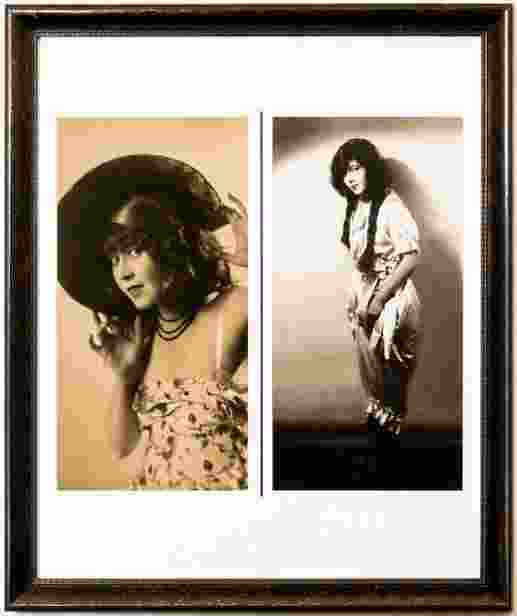
Ann Pennington was a famous American actress, dancer, and Broadway performer who became one of the most celebrated entertainers of the early 20th century. Known for her beauty, charm, dancing talent, and energetic stage presence, she gained popularity during the golden age of vaudeville and musical theater in the United States.
Ann Pennington was especially famous for her performances in the “Ziegfeld Follies,” a highly successful theatrical production series that helped shape American entertainment culture. She was admired for her youthful appearance, athletic dancing style, and charismatic personality.
Her life included major professional success, glamorous public attention, personal struggles, financial problems, and changing fortunes over time. Even though modern audiences may not know her as well as contemporary celebrities, Ann Pennington played an important role in the history of American theater and entertainment.
Early Life
Ann Pennington was born on June 3, 1893, in Philadelphia, Pennsylvania, USA. Her birth name was Augusta Ann Pennington.
From a young age, she showed strong interest in performing arts, especially dancing. During the late 19th and early 20th centuries, live stage entertainment was extremely popular in America. Vaudeville theaters, musical revues, and traveling performance groups attracted huge audiences.
Ann developed her dancing abilities early and eventually entered professional entertainment while still very young.
Her small physical frame and energetic personality made her stand out on stage. Unlike many performers of her time who focused mainly on elegant movement, Ann became known for athletic dancing styles that required speed, balance, and flexibility.
Rise to Fame
Ann Pennington’s career grew rapidly during the 1910s.
She became nationally famous after joining the legendary “Ziegfeld Follies,” created by famous Broadway producer Florenz Ziegfeld Jr..
The Ziegfeld Follies were glamorous theatrical productions filled with music, comedy, dancing, elaborate costumes, and beautiful performers. These productions became symbols of luxury and entertainment during the early 20th century.
Ann Pennington quickly became one of the most recognizable stars of the show.
She was especially famous for:
- Tap dancing
- Acrobat-style routines
- High-energy performances
- Youthful appearance
- Charming stage personality
One of her signature acts involved dancing on moving platforms and performing difficult physical routines that amazed audiences.
She also became known for popularizing a dance movement called the “Black Bottom,” which became a major dance craze during the Jazz Age.
Broadway Success
During the 1920s, Ann Pennington became one of Broadway’s biggest female stars.
Broadway theaters in New York City were at the center of American entertainment culture, and performers who succeeded there achieved national fame.
Ann appeared in several major stage productions and musical revues. Audiences loved her lively performances and natural charisma.
Her popularity helped her earn large salaries and widespread media attention.
At the height of her fame, she was considered one of America’s top female entertainers.
Magazines and newspapers frequently covered:
- Her performances
- Fashion style
- Personal relationships
- Public appearances
- Stage success
She became part of the glamorous celebrity culture developing in the United States during the Roaring Twenties.
Film Career
As Hollywood films became more popular during the 1920s and 1930s, Ann Pennington also worked in movies.
She appeared in several silent films and later transitioned into sound films.
Some of her film appearances included:
- Susie Snowflake
- The Blonde Countess
- Broadway’s Melody
- Other musical and performance-related productions
However, her greatest success remained connected to live stage performance rather than cinema.
Many early Broadway stars struggled during Hollywood’s transition period because stage performance and film acting required different skills.
Still, Ann remained a respected entertainer throughout much of her career.
Personal Life
Ann Pennington’s personal life attracted significant public interest.
Like many celebrities of her era, her relationships and marriages often became media topics.
She married several times during her life. Some of her marriages ended in divorce, which was considered controversial during the early 20th century.
Despite public glamour, her personal life included emotional struggles and instability.
Fame during the Jazz Age often brought intense public attention, financial pressure, and social expectations. Many entertainers experienced difficulties balancing private happiness with celebrity culture.
Ann’s life reflected both the excitement and challenges of early American stardom.
Financial Problems
Although Ann Pennington earned large amounts of money during her successful years, she later faced serious financial difficulties.
This happened to many early entertainment stars because:
- Financial management systems were limited
- Celebrity contracts lacked protections
- Investments sometimes failed
- Careers could decline quickly
As entertainment trends changed, Ann’s popularity gradually decreased.
The Great Depression of the 1930s also hurt the entertainment industry and affected many performers financially.
Later reports suggested that Ann struggled with money problems and changing public tastes.
Her life became an example of how unstable fame could be during the early decades of American entertainment history.
Influence on Dance and Entertainment
Ann Pennington helped influence American dance culture during the 1910s and 1920s.
She brought athletic energy and modern movement styles into mainstream performance.
Her dancing style differed from more traditional performers because it combined:
- Speed
- Rhythm
- Comedy
- Acrobatics
- Physical confidence
She became especially important during the Jazz Age, a period known for cultural experimentation, music innovation, and changing social behavior.
Dance crazes became major parts of American youth culture during this era, and performers like Ann helped popularize these trends nationwide.
Her work also contributed to the development of modern musical theater performance styles.
Challenges in Later Years
As younger performers entered Broadway and Hollywood, Ann Pennington’s career slowed down.
Entertainment industries change rapidly, and many stars eventually lose public attention as trends evolve.
Ann experienced this transition personally.
While she remained respected historically, she no longer enjoyed the same level of fame she had during her peak years.
Some reports suggest she faced loneliness and health difficulties later in life.
This decline reflected a common reality for many early performers who worked before modern celebrity support systems existed.
Death
Ann Pennington passed away on November 4, 1971, in New York City.
She was 78 years old.
Although her death did not receive the massive international attention that modern celebrities often receive, historians and theater enthusiasts continued recognizing her contributions to American entertainment.
Today, she is remembered as one of the important performers of the Ziegfeld era and an influential Broadway entertainer.
Legacy
Ann Pennington’s legacy survives through theater history, dance history, and Broadway culture.
She represented:
- Early American celebrity culture
- Jazz Age entertainment
- Broadway glamour
- Women’s growing visibility in performance arts
Historians often describe her as one of the energetic female stars who helped shape modern musical entertainment.
Her performances influenced future dancers and stage entertainers.
Even though newer generations may know little about her today, her impact remains part of entertainment history.
Interesting Facts About Ann Pennington
- Her real name was Augusta Ann Pennington.
- She became famous through the Ziegfeld Follies.
- She was known for athletic tap dancing.
- She helped popularize Jazz Age dance culture.
- She worked in both theater and film.
- She was considered one of Broadway’s biggest stars during the 1920s.
- She faced financial struggles later in life.
- She remains an important figure in Broadway history.