
Technology Drive is changing how people live and work. New tools help businesses save time. They also help people solve daily problems. Today, technology is part of almost every industry.
For example, schools use digital learning tools. Hospitals use computer systems to manage information. Businesses use software to handle daily tasks. As a result, technology affects millions of people every day.
The growth of technology also creates new opportunities. At the same time, it brings new challenges. Therefore, people need to understand how technology works and how it can help them.
What Is Technology Drive?
Technology Drive describes the growing role of technology in modern life. It includes software, computers, smartphones, cloud systems, and digital tools.
Technology helps people complete tasks faster. It can also make many tasks easier. For example, online banking lets people manage money from home.
Businesses also use technology to improve their work. They can store files online and communicate with customers. They can also use data to make better decisions.
As technology improves, new tools appear. Therefore, people and businesses must keep learning.
How Technology Drives Business Growth
Technology can help businesses grow in many ways. First, it can save time. Employees can use software to complete repeated tasks.
For example, a business can use automated emails. It can also use software to track orders. As a result, employees have more time for important work.
Technology can also help businesses reach new customers. A website can attract visitors from different places. Social media can also help companies promote their products.
Therefore, technology can support both small and large businesses.
Technology and Digital Change
Digital change is now common in many companies. Businesses are replacing old systems with newer tools.
For example, a company may replace paper records with digital files. It may also move its data to cloud storage.
These changes can make work faster. They can also reduce some manual tasks. However, businesses need good planning before making major changes.
Employees should also receive proper training. This helps them understand the new system.
Artificial Intelligence and Technology
Artificial intelligence is one of the biggest technology trends today. AI can help computers perform many tasks.
For example, businesses can use AI for customer support. They can also use it to study large amounts of data.
AI can save time in some work areas. It can also help people find useful information faster.
However, AI can make mistakes. Therefore, people should check important information before using it.
AI will likely become more common in the future. As a result, workers may need new digital skills.
Cloud Technology
Cloud technology has changed how people store information. Instead of using only local computers, users can store files online.
For example, employees can access cloud files from different locations. This can help remote teams work together.
Cloud systems can also help businesses grow. Companies can add users and services as their needs change.
However, security remains important. Businesses should protect cloud accounts with strong passwords and access controls.
Technology and Automation
Automation allows software or machines to handle repeated tasks. This can help businesses save time.
For example, software can send automatic emails. It can also update records or create simple reports.
As a result, employees can focus on tasks that need human judgment.
However, automation does not work for every task. Some jobs still need human skills and decisions.
Therefore, businesses should use automation where it provides real value.
Technology in Education
Technology has changed the way students learn. Many schools now use computers and online tools.
Students can watch educational videos and access digital books. They can also join online classes from home.
Teachers can use software to create lessons. In addition, they can share learning materials online.
Technology can make learning easier and more flexible. However, teachers still play an important role.
Good education often combines technology with human support.
Technology in Healthcare
Healthcare also uses many modern technologies. Hospitals use digital systems to manage information.
Doctors can use software to review records. Medical teams can also use digital tools to communicate.
Some devices can monitor patient information. In addition, technology can help researchers study large amounts of data.
However, healthcare data needs strong protection. Patient information should remain secure.
Therefore, healthcare organizations must focus on both technology and privacy.
Technology and Communication
Technology has made communication much faster. People can send messages within seconds.
Video calls also allow people to communicate from different locations. This has become especially useful for remote teams.
Businesses can use online tools to talk with employees and customers. They can also use social media to share updates.
As a result, distance is less of a problem than before.
Still, users should protect their personal information when using online services.
Technology and Cybersecurity
More digital systems also create more security risks. Hackers may try to steal information or damage systems.
Therefore, cybersecurity is very important.
Businesses should use strong passwords and secure access systems. They should also keep software updated.
In addition, employees should learn how to spot suspicious messages. This can reduce the risk of scams.
Regular backups can also help protect important files.
Technology and Data
Data is very useful for modern businesses. Companies collect information from websites, apps, sales systems, and customers.
Businesses can study this data to find useful patterns. For example, sales data can show which products sell well.
This information can help managers make better decisions. It can also help companies understand customer needs.
However, companies must handle data carefully. Privacy should always remain a priority.
Technology and Productivity
Technology can improve workplace productivity. Digital tools help employees organize tasks and manage information.
For example, project software can show what each team member needs to do. Online calendars can also help teams manage schedules.
Automation can reduce repeated work. Cloud tools can make file sharing easier.
As a result, employees may complete tasks more efficiently.
However, too many tools can create confusion. Therefore, businesses should choose simple tools that meet their needs.
Technology for Small Businesses
Small businesses can gain many benefits from technology. They can use websites to reach customers.
They can also use online payment tools. Accounting software can help them manage finances.
Social media can provide another way to promote products. In addition, email marketing can help businesses stay connected with customers.
These tools can help small companies compete with larger businesses.
However, owners should consider costs before buying new technology.
Technology and E-Commerce
Technology has helped online shopping grow. Customers can now search for products from their phones.
They can compare prices and place orders online. Businesses can also manage orders through e-commerce software.
Digital payment systems make online purchases easier. At the same time, security remains important.
Customers want websites that are simple and safe. Therefore, businesses should focus on both convenience and protection.
Technology and Remote Work
Remote work depends on digital technology. Employees need tools that help them communicate and share files.
Video meetings allow teams to speak face to face. Chat tools help employees send quick messages.
Cloud storage lets workers access files from different locations. Therefore, teams can work together even when they are far apart.
However, remote work also needs good security. Companies should protect their systems and employee accounts.
Smart Devices and Technology
Smart devices are now common. Smartphones, watches, televisions, and home devices can connect to the internet.
For example, smart lights can be controlled with a phone. Smart cameras can also send alerts to users.
These devices can make daily tasks easier. However, they also collect data.
Therefore, users should review privacy settings. They should also use secure passwords.
Internet of Things
The Internet of Things connects physical devices to the internet. These devices can collect and share data.
A smart thermostat is one example. It can monitor temperature and adjust settings.
Factories can also use connected sensors. These sensors can help workers monitor machines.
As a result, connected devices can improve efficiency.
However, every connected device can create a security concern. Good protection is therefore important.
Technology and Transportation
Technology is changing transportation. Navigation apps help drivers find better routes.
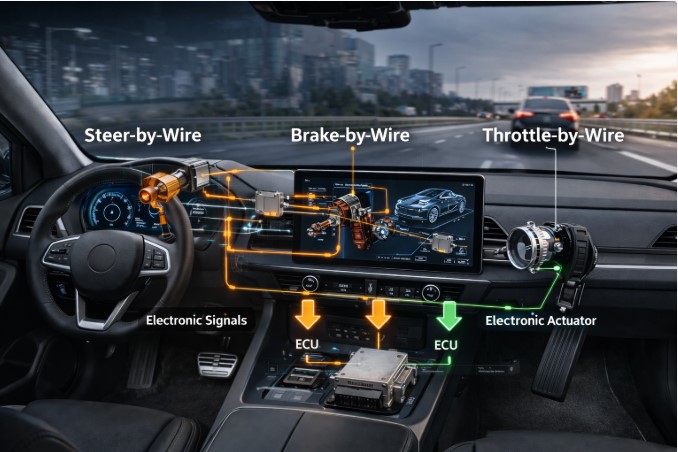
Modern vehicles also use sensors and computer systems. Some cars can provide safety warnings to drivers.
Public transport systems can use digital tools too. These systems can help manage schedules and traffic.
In the future, electric and automated vehicles may become more common.
Technology can make transportation more efficient. However, safety must remain a major goal.
Technology in Manufacturing
Manufacturing companies use technology in many ways. Machines can handle repeated tasks.
Robots can also support factory workers. Sensors can monitor equipment and detect problems.
Data can help managers understand production levels. As a result, factories can improve their processes.
However, workers still have an important role. People manage machines and make important decisions.
Technology and Energy
Technology can help businesses manage energy use. Smart systems can track electricity consumption.
Companies can use this information to find areas of waste. They can then make changes to reduce energy use.
Renewable energy systems also depend on modern technology. Digital tools help monitor these systems.
Therefore, technology can support more efficient energy use.
Technology and Entertainment
Entertainment has changed greatly because of technology. People can stream movies and music online.
Gaming has also become more digital. Players can connect with others around the world.
Content creators can publish videos and other media without traditional companies.
As a result, more people can build careers in digital entertainment.
However, online entertainment also requires users to think about privacy and screen time.
Technology and Customer Service
Businesses now use many digital customer service tools. Live chat is one common example.
Some companies also use automated systems to answer simple questions. This can reduce waiting times.
However, some problems need human support. Customers may want to speak with a real person when an issue is complex.
Therefore, businesses should combine automation with human service.
Technology and Future Jobs
Technology is changing the job market. Some tasks are becoming automated.
At the same time, new jobs are appearing. Companies need workers with skills in software, data, cybersecurity, and digital systems.
Workers may need to learn new skills during their careers. Online courses can help people improve their knowledge.
Therefore, continuous learning is becoming more important.
Benefits of Technology Drive
Technology can provide many benefits. First, it can save time.
It can also improve communication. Businesses can reach customers faster and manage work more easily.
In addition, technology can provide better access to information. Students can find learning resources online.
Healthcare workers can also use digital tools to support their work.
As a result, technology can improve many areas of modern life.
Challenges of Technology Drive
Technology also creates challenges. Cybersecurity is one major concern.
Privacy is another important issue. Companies collect large amounts of user data.
Some people may also find new technology difficult to learn. Businesses may need to spend money on training.
Furthermore, too much technology can create distractions.
Therefore, people should use digital tools in a balanced way.
How to Choose the Right Technology
Businesses should not choose technology only because it is popular.
First, they should identify the problem. Next, they should compare different solutions.
Cost is also important. Security and ease of use matter too.
Businesses should think about future needs. A good system should support growth.
Finally, employees should understand how to use the new tool.
This process can help businesses make better technology decisions.
The Future of Technology Drive
Technology will continue to change. Artificial intelligence will likely grow in many industries.
Cloud services will also remain important. Automation may become more common.
Cybersecurity will need more attention as digital systems grow.
New devices and software may also create new opportunities.
However, people will still need to make important decisions.
The future will depend on how well people use technology.
Why Technology Drive Matters
Technology affects almost every part of modern life. It changes how people work, learn, shop, and communicate.
Businesses can use technology to improve their services. Students can use it to access learning resources.
People can also use digital tools to stay connected with others.
However, technology should have a clear purpose.
When used wisely, it can save time and create new opportunities.
Final Thoughts
Technology Drive is helping shape the modern world. New technology continues to change businesses, schools, healthcare, communication, and entertainment.
Artificial intelligence, cloud systems, automation, and smart devices are becoming more common. At the same time, cybersecurity and privacy remain important concerns.
Therefore, people should learn how new technology works. Businesses should also choose tools that solve real problems.
Technology will continue to develop in the years ahead. As a result, learning and adapting will remain important for everyone.
With smart choices and responsible use, technology can support better work, stronger communication, and new opportunities.